


Chaire
de recherche

Simone Vannuccini holds the position of Chaire de Professeur Junior (Junior Professor Chair) in Economics of Artificial Intelligence and Innovation at GREDEG (Université Côte d'Azur, CNRS, France).
There, with his team he conducts research and teaching on the topic of Economics and Strategy of AI and technological change more generally. Prof Vannuccini has been holding teaching and research positions at the Science Policy Research Unit (SPRU) of the University of Sussex, Imperial College London, and the Friedrich Schiller University Jena (Germany). His research focuses on technology evolution, the economics of AI, industrial dynamics, science, technology and industrial policy, and the economics of digitalisation.
His presentation "Forum Numerica - Robots and Innovation – Innovation in Robots?"
This presentation combines two recent studies: the first analyses the impact of robot adoption on firms’ product innovation, to test whether robots in their current form are really an ‘enabling technology’; the second takes a look at how recent advances in AI vision-language-action models are transforming the landscape of robot technology and the companies producing them. The rationale of combining the two studies is to show how technology and economic dynamics co-evolve and cross-shape each other.
There, with his team he conducts research and teaching on the topic of Economics and Strategy of AI and technological change more generally. Prof Vannuccini has been holding teaching and research positions at the Science Policy Research Unit (SPRU) of the University of Sussex, Imperial College London, and the Friedrich Schiller University Jena (Germany). His research focuses on technology evolution, the economics of AI, industrial dynamics, science, technology and industrial policy, and the economics of digitalisation.
His presentation "Forum Numerica - Robots and Innovation – Innovation in Robots?"
This presentation combines two recent studies: the first analyses the impact of robot adoption on firms’ product innovation, to test whether robots in their current form are really an ‘enabling technology’; the second takes a look at how recent advances in AI vision-language-action models are transforming the landscape of robot technology and the companies producing them. The rationale of combining the two studies is to show how technology and economic dynamics co-evolve and cross-shape each other.
The motivation behind launching VOILA! was to create a platform where the most up-to-date research on AI can meet a critical view of the technology that downplays the hype and favours inclusivity and access. Together with Lucile Sassatelli, Ekaterina Prytkova, and the EFELIA and Chair teams, we thought that an initiative such as VOILA! would represent the best type of scientific dialogue: one that leaves no one behind!
---------------------------------------------------------

Claire Lasserre
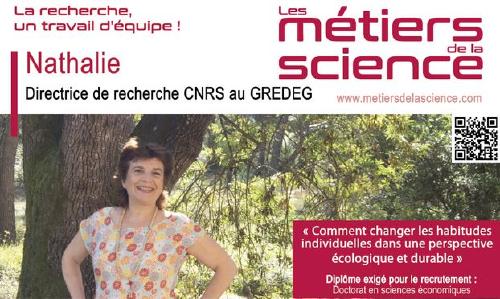
Nathalie Lazaric
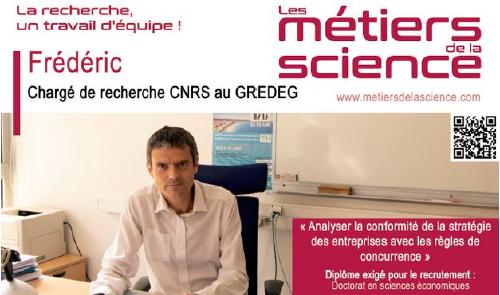
Frédéric Marty
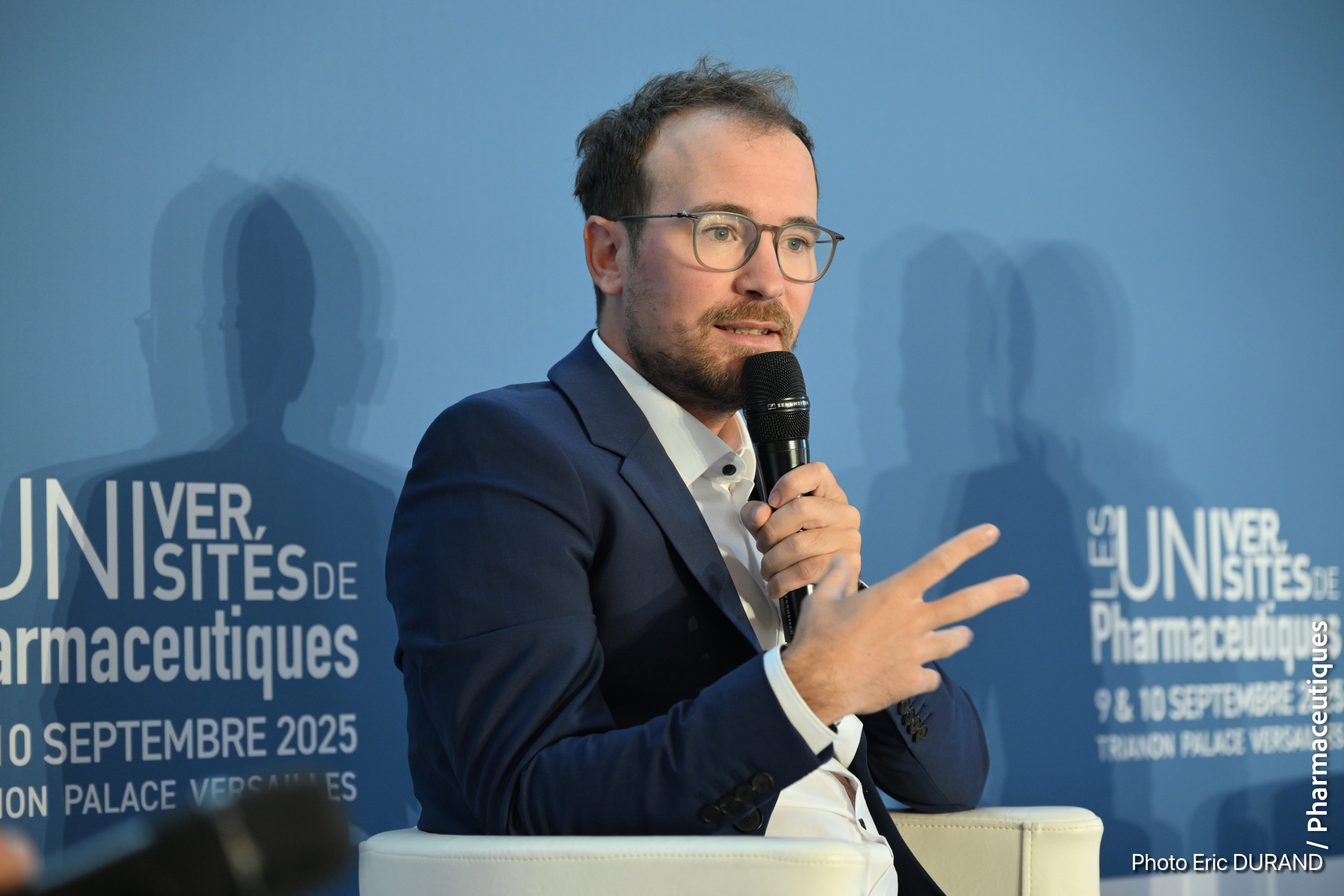
Maxime MENUET
Mauro NAPOLETANO
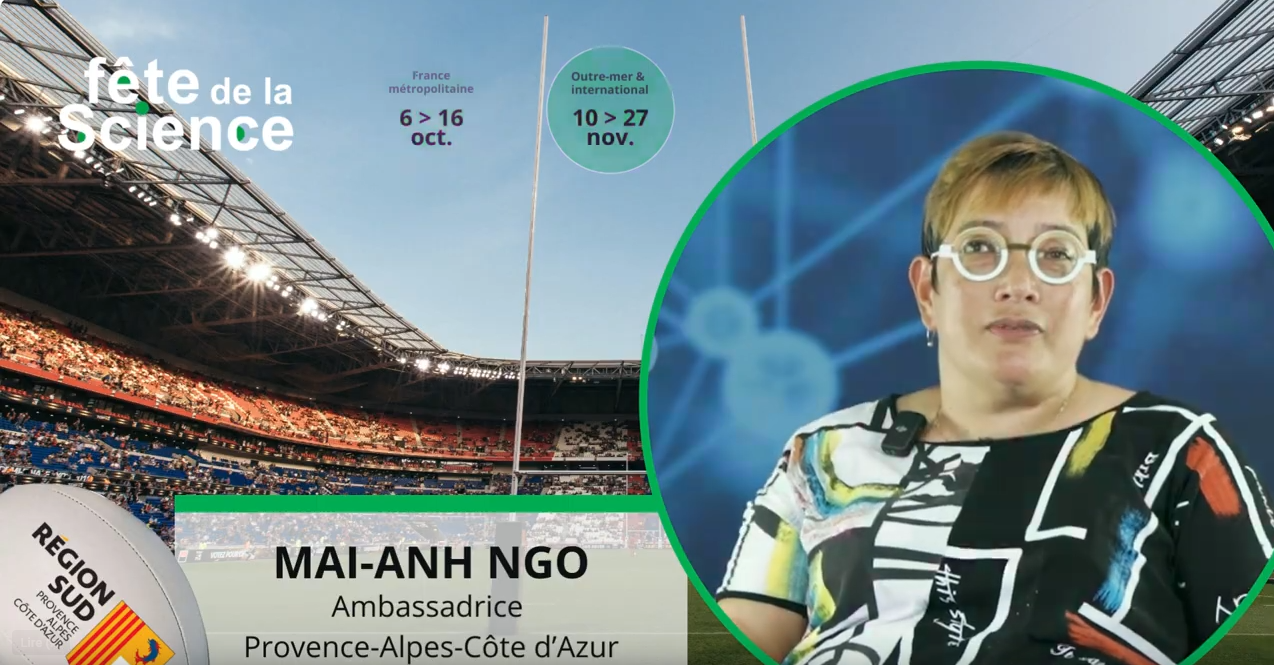
Mai-Anh NGO
Sites web personnels
Site Internet de Amel Attour
Site Internet de Flora Bellone
Site Internet de Patrice Bougette
Site Internet de Manuel Boutet
Site Internet de Nicolas Brisset
Site Internet de Christophe Charlier
Site Internet de Michela Chessa
Site Internet de Raphaël Fèvre
Site Internet de Anthony Hussenot
Site Internet de Nathalie Lazaric
Site Internet de Guilhem Lecouteux
Site Internet de Mauro Napoletano